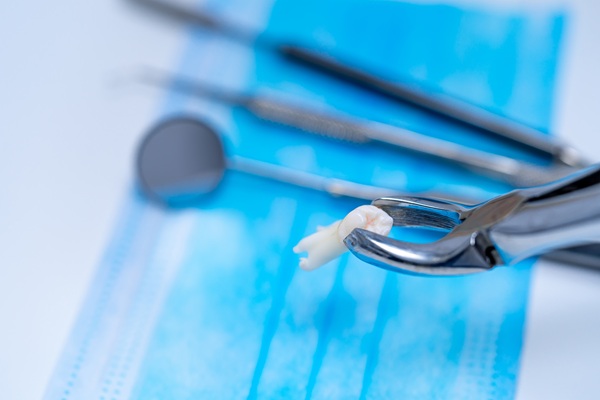
The Dos and Don’ts After Tooth Extraction
is a common dental procedure that may be necessary for various reasons, including decay, infection, or overcrowding. After undergoing a tooth extraction, it is crucial to follow proper care instructions to ensure a smooth and successful healing process. Understanding the dos and don'ts after a tooth extraction can help prevent complications, reduce pain, and promote faster healing.
Dos after tooth extraction
According to the Cleveland Clinic, healing times can vary for each patient after tooth extractions, but most patients return to normal activity within 72 hours. Their bone and socket may take several weeks to heal. In this time, patients will want to follow a few yet crucial steps to ensure a smooth recovery and to minimize the risk of infection or other complications. They are as follows:
- Rest and elevate the head. The dentist will provide patients with a doctor's note to help excuse them from work or school, as resting for the first 48 to 72 hours is crucial for recovery. Avoiding strenuous physical activities and keeping the head elevated can help the body focus on healing, reduce swelling, and promote blood circulation.
- Apply cold compresses. Swelling is common after tooth extraction; therefore, patients should apply cold compresses in 15- to 20-minute increments within the first 24 hours post-surgery to reduce discomfort.
- Maintain oral hygiene. To avoid infections, patients should gently rinse their mouths with lukewarm saltwater multiple times a day to reduce bacteria and promote healing. Be sure to avoid brushing directly on or near the extraction site for a few days to avoid irritation.
- Adopt a soft diet. After tooth extraction, patients should follow a soft-food diet for the first few days to prevent irritating the extraction site. Foods such as yogurt, mashed potatoes, protein shakes, smoothies, and scrambled eggs are good options.
Note that this list is not exhaustive. Certain patients with underlying health conditions, such as diabetes, may require additional instructions. However, the dentist will provide these at the time of the appointment.
Don'ts after tooth extraction
While following proper aftercare instructions is essential, it is also important to be aware of certain actions to avoid after a tooth extraction. The following don'ts will help prevent complications:
- Do not smoke. Smoking after a tooth extraction can inhibit healing, and the suction created by healing can dislodge the blood clot that forms in the extraction site, leading to a painful condition called dry socket.
- Do not drink through a straw. Using a straw can create suction in the mouth, which can dislodge the blood clot at the extraction site. Again, this can cause dry socket and significantly delay the healing process.
- Do not touch the extraction site. Patients must avoid touching the extraction site with objects, their fingers, or tongue, as this can introduce bacteria and cause infection.
- Do not eat spicy foods. Hot foods and drinks can increase swelling and discomfort, especially during the initial healing period. Spicy or heavily-seasoned foods may irritate the extraction site and cause discomfort.
Again, if patients have an underlying medical condition, the dentist may recommend further instructions, such as which medications are appropriate and which are not during recovery.
Call us for more information
Tooth extraction can be an essential procedure for maintaining overall oral health. However, it is crucial to follow proper guidelines. For more information about the tooth extraction procedure or to learn about the necessary steps for recovery, do not hesitate to contact our office.
Request an appointment here: https://www.drdarian.com or call Winning Smiles Dentistry at (623) 201-4557 for an appointment in our Glendale office.
Check out what others are saying about our dental services on Yelp: .
Related Posts
A tooth extraction is rarely the first choice for a dental professional because keeping a natural tooth in place provides the best long-term foundation for oral health and comfort. However, there are occasions, such as recurring infections, severe decay, or fractures, that necessitate the procedure. While the general dentist will take every measure to save…
Invisalign has transformed orthodontic care, offering a discreet and convenient solution for straightening teeth. While traditional braces remain a viable option for some, Invisalign provides clear advantages, making it an increasingly popular choice for patients seeking effective and comfortable orthodontic treatment.Invisalign is a modern orthodontic treatment that gradually moves teeth into alignment using a series…
Research reveals that many adults resort to Invisalign® for dental straightening. Awareness of one’s smile and oral health at this stage can prevent issues from worsening. Adults want the treatment while maintaining aesthetics and discretion. Clear aligners play an important part in this area. Knowing why adults prefer Invisalign for dental straightening can convince you…
All-on-4 implants represent a modern approach to full-arch tooth replacement, offering stability, efficiency, and long-term oral function. This treatment concept has transformed restorative dentistry by combining surgical precision with prosthetic innovation. The following five facts explain why this solution continues to gain attention among dental professionals and patients seeking comprehensive tooth replacement options.All-on-4 implants rely…